


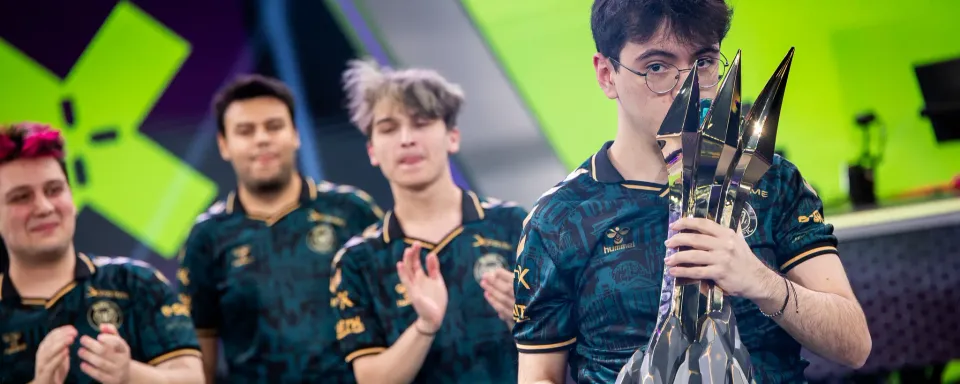
In late October 2025, the organization BBL Esports, partnered with the Turkish-side PCIFIC Esports, won the VCT Ascension EMEA 2025 and earned its promotion to the franchise-tier league for 2026. However, following this ascension, various questions about the nature of their partnership, player contracts, and whether it was using the system against the spirit of the competition did arise. In this article, we will present evidence of how BBL Esports may have misled Riot Games regarding its ownership and partnership structure, highlight all the points of contention, review the regulatory response, and assess the potential implications for the competitive ecosystem.
The Structure of the Promotion Path
To fully understand the controversy, one must first understand the mechanics of the ascension system. The VCT ecosystem for the EMEA region includes a tier-two “Challengers” path, culminating in the Ascension tournament. The winners of Ascension gain entry into the franchise tier for the following year. In 2025, BBL Esports and PCIFIC Esports formed an affiliate partnership, running the roster under the name BBL PCIFIC (BCF) to compete in Challengers Turkey and EMEA, ultimately winning Ascension.
Importantly, Riot Games emphasised that while promotion rewards competitive performance, “guaranteeing that a team and its players ascend together is challenging.” This sets the ground: the system is designed to promote teams, not simply pre-packaged rosters with minimal organisational investment.
Allegations of Misleading Conduct

Affiliate Partnership as Loophole
A central allegation is that BBL Esports used its affiliate partnership with PCIFIC to bypass eligibility restrictions that normally prevent academy or secondary rosters from competing in Ascension. Under standard VCT regulations, academy teams are not allowed to participate in the Ascension circuit to avoid conflicts of interest and maintain competitive integrity.
However, by officially registering the roster under PCIFIC Esports, while maintaining a close operational and brand partnership with BBL Esports, the organization effectively gained a backdoor into the promotion system. Critics argue that this structure allowed BBL to benefit from PCIFIC’s victory and subsequent promotion while technically staying within the letter of the rules.
The arbitration by Riot found no direct rule violation — reviewing contracts, ownership structures, and partnership agreements — yet the wording of their statement indicates an awareness that the spirit of the rules may have been circumvented.
Player Mobility and Organisational Commitment
Another issue centres around the departure (or planned departure) of players from the roster once the promotion had been secured. The idea is that promotion should reflect not just the players but the organisation’s ability to support them, develop infrastructure, brand building, etc. Critics argue BBL achieved the result but may not plan to carry forward the team in full organisational form.
Riot’s statement acknowledges that after promotion “the players and the team are presented with new choices regarding their future team affiliation and roster composition.” In other words, the organisation may legally leave or restructure the player portion after ascension, which some believe undermines the intended permanence of promotion.
Conflict of Interests and Hidden Ownership
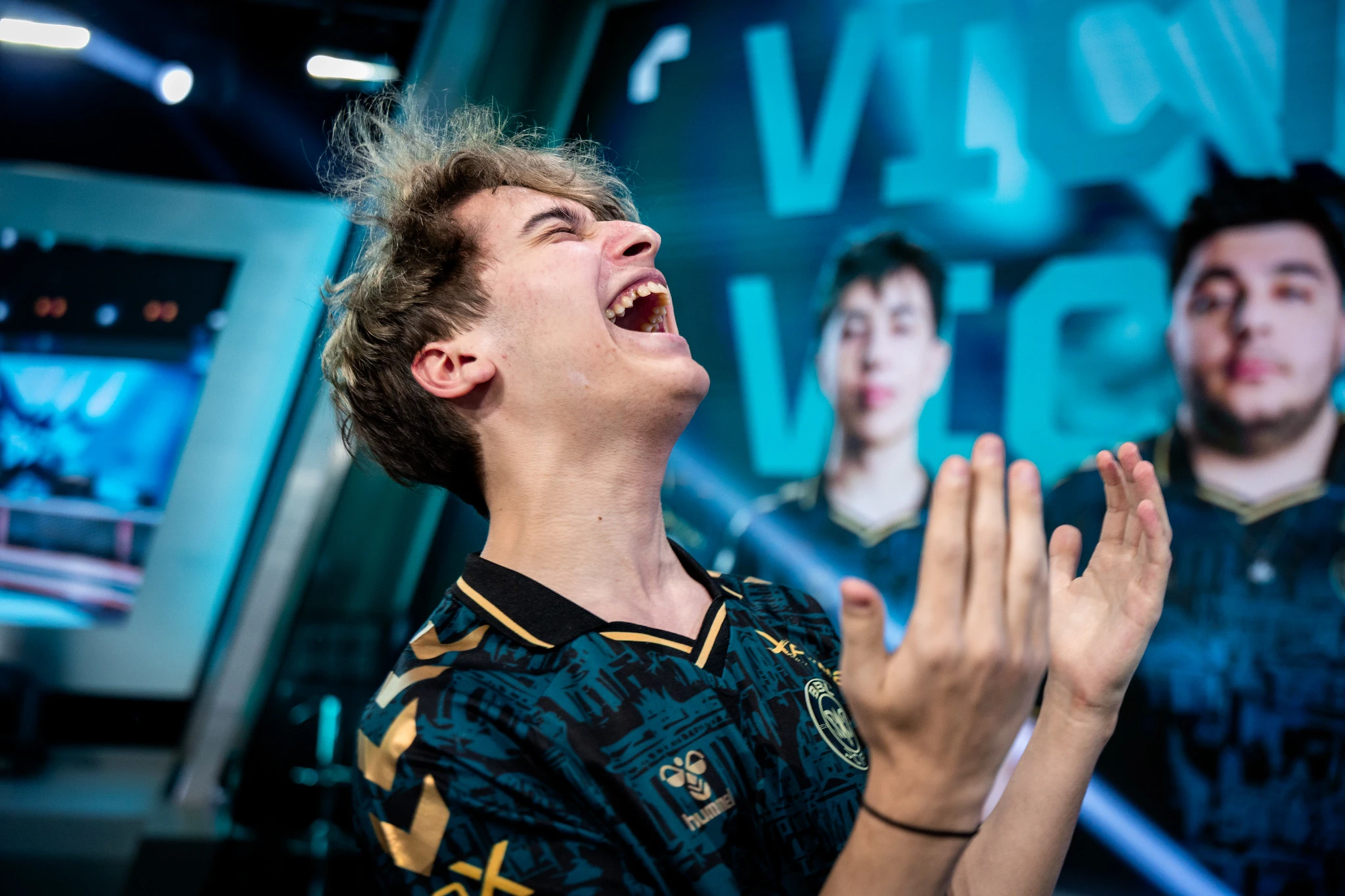
Although Riot found that there was no evidence of “shared ownership across both orgs” (BBL and PCIFIC) in this case, this point was a focal concern in the larger community. If an organisation sets up a feeder or affiliate team with the express aim of entering Ascension and capturing a franchise slot, critics say this can distort competition and reward organisations rather than emergent rosters.

The Riot Games Response
Daniel Ringland, EMEA Esports Director, published a statement to clarify the situation. Key points:
- They reviewed each player’s contract for compliance.
- They found no evidence of wrongdoing by either BBL or PCIFIC under existing rules.
- They expressed that although this outcome was “not necessarily the way we intended this to happen”, they support the roster's ascension.
Importantly, Riot emphasised that player mobility and clear pathways for aspiring pros are “a core part of what makes our ecosystem work”. This signals that while the system may have been used in an unexpected way, Riot is stepping back rather than sanctioning — choosing to monitor future cases.

Why Many Believe This to Be Deception
Minimal Organisational Value-add
The criticism is that BBL Esports appears to have leveraged PCIFIC’s functional roster and merely supported them structurally to capture a franchise slot. That model raises questions: is this genuine team development, or simply a buy-in path to tier-one by outsourcing the competitive component? From the public data we have: the roster existed, competed, won. But the organisational narrative of “building a brand, investing infrastructure, growing community” appears less emphasised. Some in the community flagged that BBL’s previous roster had placed poorly, yet the affiliate structure allowed a new entity to ascend.

The After-Promotion Strategy
Reports suggest that once the Ascension slot was secured, the affiliate partnership must be dissolved under regulation (one franchise slot per partner team in region). In this case BBL PCIFIC will compete under PCIFIC Esports alone in 2026 unless acquisition occurs. This again fuels the claim of a “rota-loan” or “contract-play” model: run a roster to ascend, then shift organisational identity.
Community Backlash
Fans and commentators argue this undermines trust in the competitive pathway. The quote from the online discussion reflects frustration: if organisations can effectively rent a roster and capture slots, where is the incentive for organic team building and regional growth? The larger ecosystem may bear the cost of this precedent.
The Implications for the Ecosystem

For Teams and Organisations
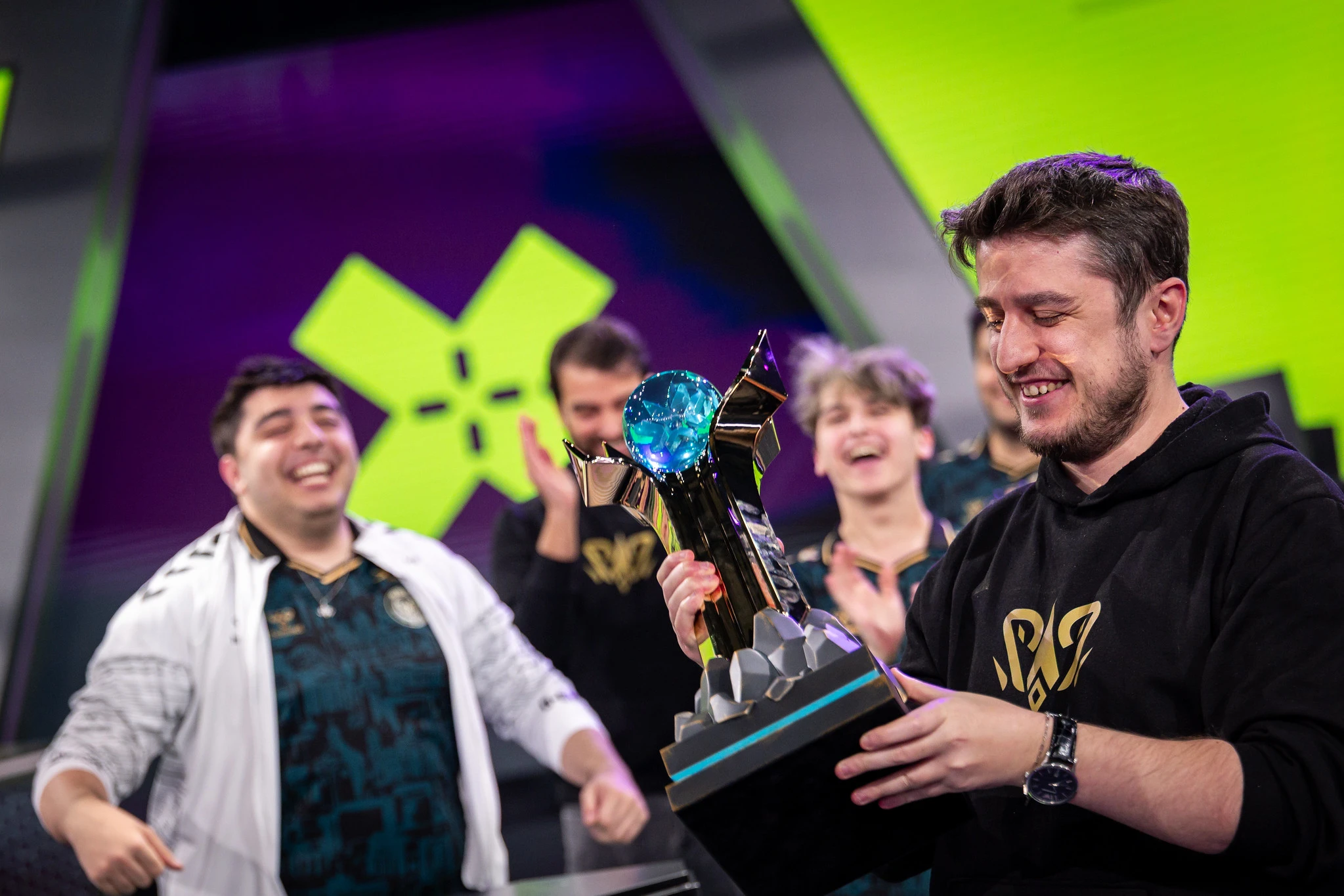
The precedent set here may encourage organisations to adopt affiliate models purely for promotion. This could drive inflation in player contracts, speculative partnerships and restructure the competitive ladder into a transactional system rather than merit-based growth.
For Riot’s Regulation Strategy
This case places pressure on Riot to revisit rules around affiliate partnerships, organisational ownership, roster mobility and post-promotion obligations. Riot’s acknowledgement that this wasn’t “the way we intended this to happen” signals potential regulatory amendments ahead.
For the Competitive Integrity
If the impression in the community is such that advancement positions can be “bought” and not earned, then the integrity of the league structure could fall apart.

For Players
For players, increased mobility may appear positive — they have opportunity to move once promotion is achieved. But it also raises concerns: are players being used purely as part of an organisational vehicle to gain access, rather than being invested in long-term? Contract transparency, representation and career sustainability become focal.
What Should Be Done?
1. Clearer Affiliates Regulation
Riot should clarify what constitutes an affiliate, how partner organisations operate in ascension, how much infrastructure they must provide, and what happens to roster and organisation post-promotion.

2. Post-Promotion Obligations
Teams that ascend should have minimum obligations: maintain organisational continuity, demonstrate growth, community engagement, and region development. Otherwise, the risk is a “promotion rental” model.
3. Contract Transparency and Player Rights
Players must have clarity on their status post-promotion: will the organisation remain the same? Will they lose access? Riot’s emphasis on player mobility is positive, but rights and obligations must be clear.
4. Monitor Competitive Outcomes
If affiliate-led promotions become dominant, Riot may want to monitor whether competitive integrity is compromised: are teams genuinely growing or just slot-hoppers?

5. Communicate to Community
To maintain trust, Riot and organisations must communicate clearly what promotion means, how organisations invest, and how players and fans benefit. If this becomes opaque, grassroots support will wane.
Conclusion
BBL Esports and PCIFIC Esports (as BBL PCIFIC) followed the rules but clearly tested their limits. By reaching VCT through an affiliate model instead of organic growth, they exposed flaws in Riot’s promotion system. Riot acknowledged the issue without penalties, leaving room for similar cases in the future. To protect the integrity of competition, promotion must reward genuine team development — not short-term affiliations built purely for advancement.



No comments yet! Be the first one to react