


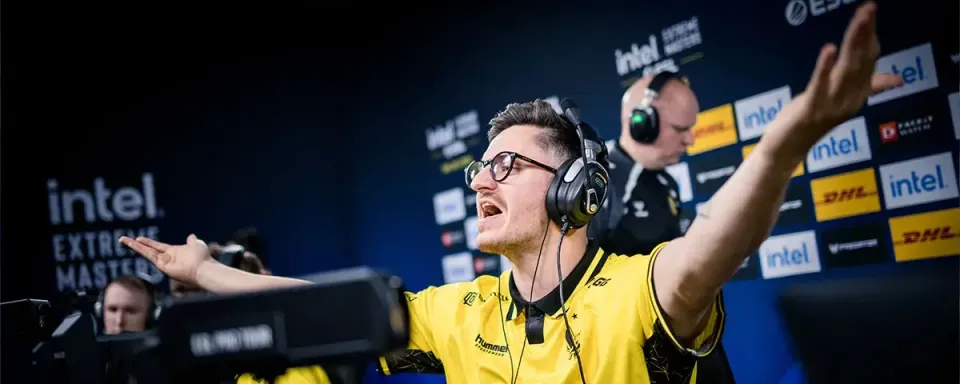
The IGL (In-Game Leader) role has long been central to Counter-Strike: it’s the voice in the team, the strategist, the mind behind rotations, executes, reads, and comebacks. But in 2024–2025, many teams are struggling. There seems to be an IGL crisis — teams can’t find stable captains, IGLs underperform, or the meta makes leadership harder. This article dives into what the IGL crisis really is, why it’s showing up in CS2, and what might help.

What’s Causing the IGL Crisis?
Several factors combine to make the IGL role harder than ever. Here are the main pressures:
- Shorter formats & less margin for error With MR12 (first to 12 rounds) or shorter maps, losing a few early rounds leaves less time for mid-round adjustments or comebacks. Aleksib, karrigan and apEX have discussed how the MR12 format leaves IGLs fewer tools to adapt, because you’re already playing catch-up sometimes.
- High fragging expectations IGLs are often expected not just to call rounds, but also to frag. Roster spots are limited, and many teams want star power in killing as well as calling. Players like npl, huNter-, apEX etc., are examples of leaders who also frag heavily. But combining leadership and mechanical/fragging demands is a heavy load.
- Roster instability & personality conflicts Teams are changing IGLs often. E.g., MOUZ switching IGL from siuhy to Brollan. ElectroNic also stepped down from Cloud9 after realizing the emotional and leadership strain, and after from Virtus.pro. Teams have to deal with teammates who may not “respect” the IGL’s calls, which damages cohesion.
- Lack of clear meta / predictability With CS2 evolving, updates, economy changes, map tweaks, etc., there’s less settled meta. Some veteran IGLs express that there is "no meta" now; the styles blur and adapting on the fly is riskier.
- Mental, communication pressure IGLs need to do more than calling — demo reviews, strats prep, adapting mid-round, morale, voice control. A single miscall or miscommunication can snowball. Some IGLs say they struggle with being “emotional” or keeping their cool under pressure.

How It’s Showing Up: Examples / Incidents
- Furia removed FalleN as IGL in CS2 after performance issues and communication breakdowns, although they later returned him to this role..
- MOUZ changed IGL from siuhy to Brollan in Katowice 2025, because they needed different calling style.
- ElectroNic’s short stint as Cloud9 IGL ended because of emotional toll and the complexity of managing calls + fragging, and after removed from Virtus.pro.
- NiKo has publicly said he “100% will become an IGL” someday — shows that players recognize the role, but also recognize how big a step it is.

Why It Matters / Who It Affects
- Newer players rarely see consistent leadership in teams; so learning IGLing becomes harder.
- Veteran stars might avoid becoming IGLs because the workload and risk of being blamed is high.
- Teams that can’t settle on an IGL often underperform on CT-side because calls, rotations, defensive setups need cohesion. Example: G2 or others with multiple star players struggle to unify voice and strategy.

Possible Solutions & What Can Help
Here are what teams, players, or the scene can do to ease the crisis:
- Shared leadership / dual IGL Some teams split calling duties: one calls T-side, one CT or have a “backup” caller. Helps distribute workload.
- Simpler strategies & clarity Avoid overcomplicated setups. Practice clean, simple executes and mid-round templates so less thinking under pressure.
- Improve communication & respect culture Ensuring teammates respect IGL’s decisions and voice. If there's distrust or mic silence, strategy falls apart. E.g., Hampus in NiP felt ignored on returning from medical break.
- Proper trainer / coach support More prep outside of matches. Studying demos, planning for counters, having pre-set punishments for common reads, etc. Reinforce adaptability.
- Mental management Dealing with stress, avoiding burnout. Emotional regulation seems to be big part of what’s making IGL role hard.
IGL Role — Challenges vs Potential Fixes
Challenge | Potential Fix |
Short MR12 format, fast rounds | Simplify strats; focus on starting pistol strength |
Expectation to frag + call | Role clarity; let fraggers shine; IGL focuses on calls |
Roster changes and communication issues | Team-building; respect; stable roles |
Lack of meta or predictability | Flexible strats; scenario prep |
Mental pressure & burnout | Support systems; rest; shared duties |


Key Traits of Successful Modern IGLs
- Strong voice + calm under pressure
- Ability to adapt mid-round, spot when opponent shifts meta / strategy
- Efficient communication (clear, concise callouts)
- Good understanding of economy and utility usage
- Trust from teammates & ability to maintain morale
The IGL crisis in CS2 reveals how demanding the role has become. What was once just “call strats and rotate” is now a full-time leadership job: strategizing outside scrims, balancing fragging roles, mental sweat, and timing. Teams that manage to solve these issues stay competitive; those who keep swapping IGLs or don’t respect the role often suffer.
If you’re a player eyeing IGL, know it's a marathon. Practice communication, analyze, prepare for losses, stay humble. For teams, invest in structure: respect, stability, mental health. The IGL may be the hardest role, but it's still one of the most important.





No comments yet! Be the first one to react